
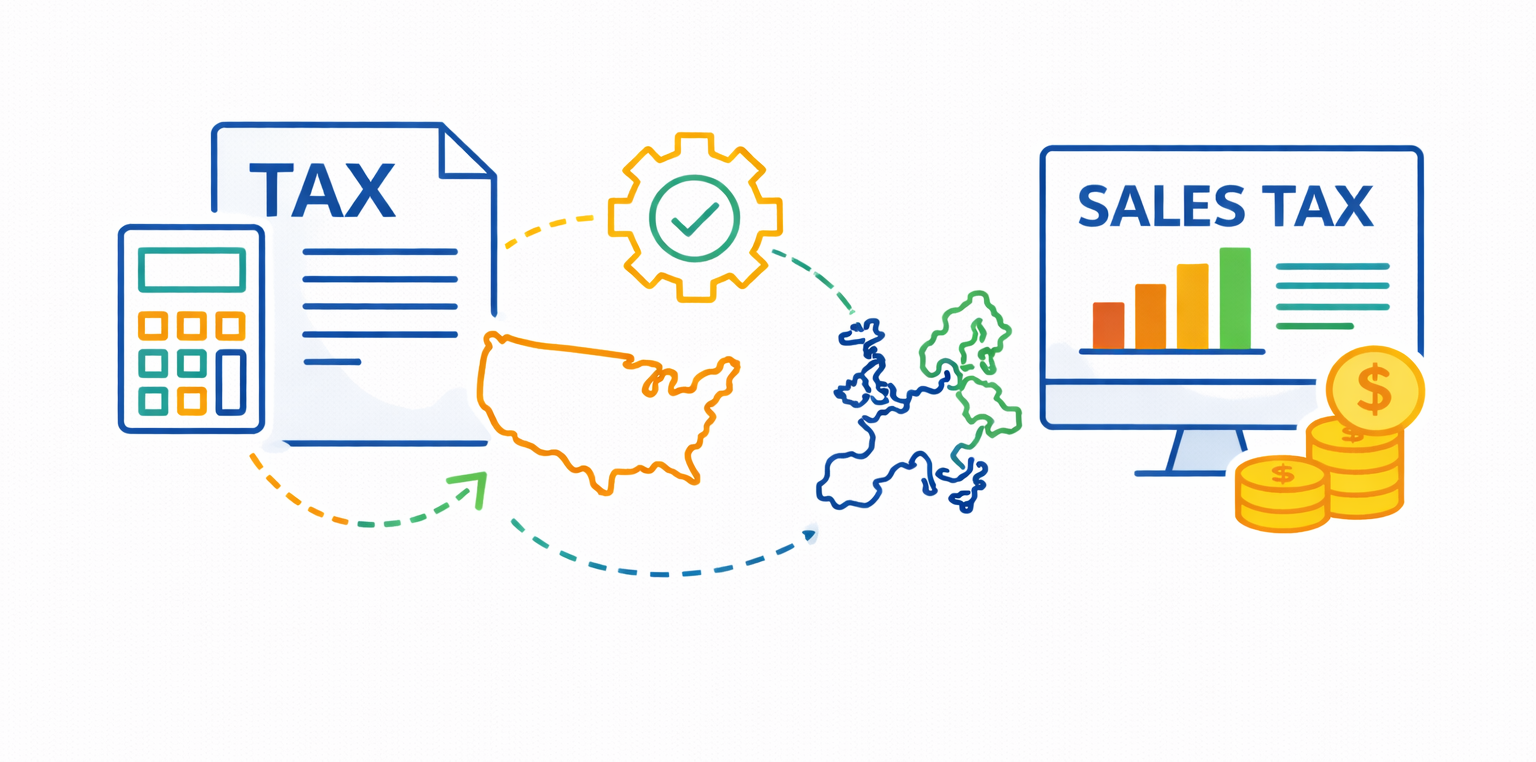
Managing sales tax across multiple jurisdictions has become one of the most complex compliance challenges for modern businesses. As companies expand into new states or countries, tax rules multiply fast. Different rates, thresholds, exemptions, filing schedules, and reporting requirements turn what used to be a back office task into a serious operational risk.
Technology is no longer optional in this environment. Automation has become the only scalable way to stay compliant while controlling cost and avoiding penalties.
Why Multijurisdictional Sales Tax Is So Difficult
Sales tax rules are not uniform. In the United States alone, businesses deal with state, county, city, and special district taxes. Add international markets and the complexity grows further with VAT, GST, and digital services taxes layered on top.
Key challenges include:
- Constantly changing tax rates and rules
- Economic nexus thresholds that vary by jurisdiction
- Different definitions of taxable and exempt products
- Complex sourcing rules based on buyer location
- Separate filing and remittance requirements
Manual processes struggle to keep up with this pace of change.
The Pitfalls of Manual Sales Tax Calculation
Many businesses still rely on spreadsheets, static rate tables, or accounting systems that were never designed for real time tax compliance. This approach creates risk at every step.
Common problems with manual calculation include:
- Outdated tax rates leading to under or over collection
- Incorrect nexus determinations as sales volumes grow
- Missed exemptions or misclassified products
- Inconsistent tax treatment across channels
- High exposure during audits due to poor documentation
Manual processes also consume valuable time. Finance and operations teams end up maintaining tax data instead of focusing on growth.
How Automation Transforms Sales Tax Compliance
Automated sales tax solutions use technology to calculate, track, and manage tax obligations across jurisdictions in real time. Instead of relying on static data, these systems continuously update tax rules and apply them correctly to each transaction.
Key benefits of automation include:
Real Time Tax Calculation
Automation applies the correct tax rate based on customer location, product type, and current regulations at the moment of sale. This eliminates guesswork and reduces errors.
Accurate Nexus Tracking
Technology monitors sales activity across jurisdictions and alerts businesses when nexus thresholds are met. This helps companies register on time and avoid non compliance penalties.
Centralized Tax Data
Automated platforms create a single source of truth for tax rates, exemptions, and transaction history. This simplifies reporting and audit preparation.
Reduced Audit Risk
With automated calculation and documented logic behind each transaction, businesses are better prepared to defend their filings during audits.
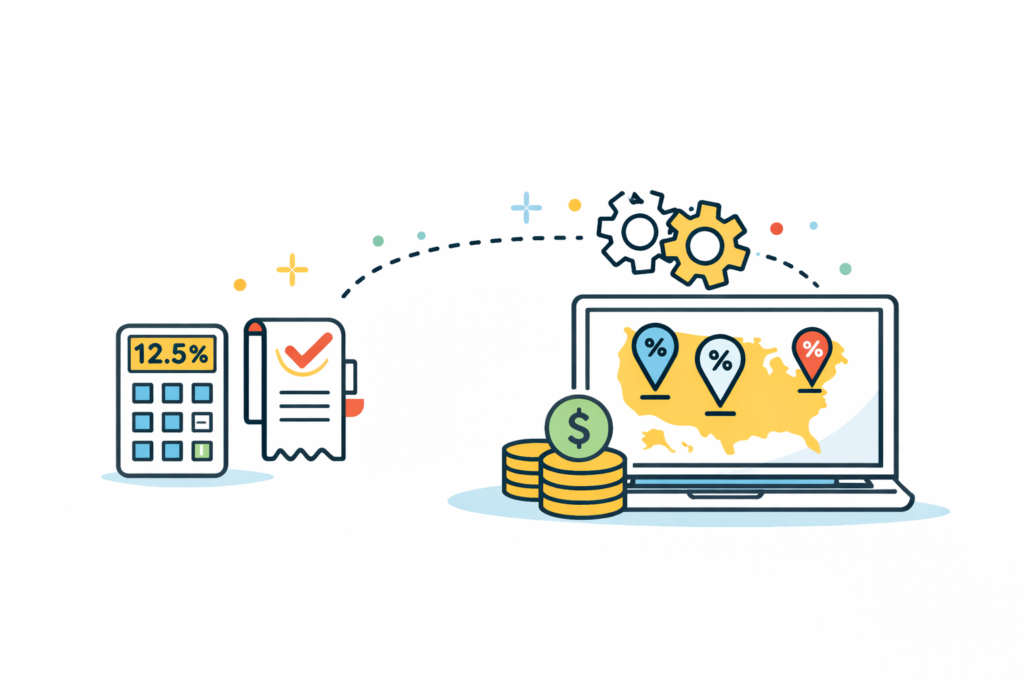
Best Practices for Automating Multijurisdictional Tax
Automation works best when combined with strong internal processes. Successful companies follow a few core practices.
Choose a Platform Built for Scale
Not all tax tools handle multijurisdictional complexity equally. Look for solutions designed to support high transaction volumes, multiple regions, and frequent regulatory updates.
Integrate Across Systems
Tax automation should connect seamlessly with ecommerce platforms, billing systems, ERP software, and payment processors. Disconnected systems create gaps and inconsistencies.
Map Products Correctly
Accurate tax calculation depends on proper product taxability mapping. Businesses should review how their goods and services are classified in each jurisdiction.
Monitor Compliance Proactively
Automation provides visibility, but teams still need to review reports, monitor alerts, and stay informed about regulatory changes.
How IST Supports Automated Sales Tax Compliance
IST helps businesses simplify multijurisdictional sales tax compliance through technology designed for real world complexity. The platform automates rate calculation, nexus tracking, reporting, and documentation across regions.
IST focuses on:
- Accurate tax determination across jurisdictions
- Scalable automation that grows with your business
- Clear visibility into tax exposure and obligations
- Reduced manual effort and operational overhead
By centralizing tax logic and automating compliance workflows, IST allows finance teams to move from reactive problem solving to proactive risk management.
Real World Impact of Automation
Businesses that switch from manual to automated tax systems consistently see measurable improvements.
Typical results include:
- Significant reduction in calculation errors
- Faster onboarding into new markets
- Lower audit preparation time
- Reduced penalties and interest from late filings
- Improved confidence in compliance decisions
Automation does not just prevent mistakes. It creates a foundation for sustainable growth.
The Future of Sales Tax Compliance
As governments modernize tax enforcement and expand digital reporting requirements, compliance expectations will continue to rise. Manual approaches will become even less viable.
Technology driven automation is the path forward for businesses operating across jurisdictions. It reduces risk, improves efficiency, and allows companies to scale without fear of hidden tax exposure.
For businesses navigating multijurisdictional sales tax today, automation is not a convenience. It is a necessity.
Final Words
Multijurisdictional sales tax is not getting simpler. Rates change faster, nexus rules expand, and enforcement becomes more automated every year. Businesses that rely on manual processes eventually pay for it through errors, audits, and wasted time. Technology shifts sales tax from a reactive chore into a controlled system. When tax calculation is automated, teams gain accuracy, visibility, and confidence as they scale into new markets. Automation is not about convenience anymore. It is about protecting growth and building compliance that lasts.
Ready to eliminate manual tax risk and scale with confidence?
IST helps businesses automate multijurisdictional sales tax calculation, monitor nexus exposure, and stay compliant across every market they operate in.
Talk to our team to see how automation can reduce errors, save time, and support long-term growth.
Leave a Reply